
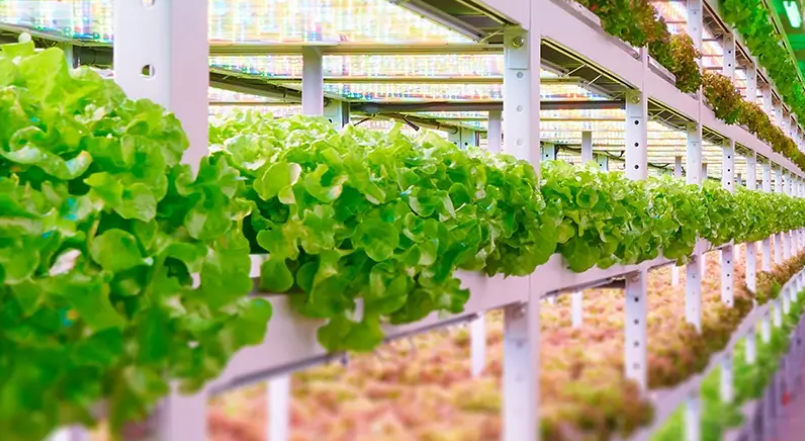
As cities continue to grow and access to fresh produce becomes increasingly limited, many people are exploring efficient ways to grow vegetables indoors. Microgreens, with their short growth cycle and nutritional density, have become a popular option for urban cultivation. Setting up a microgreens vertical farming system not only optimizes space but also ensures consistent yields in controlled environments. This approach supports local food security and sustainable development, making it especially valuable in regions where agricultural land is limited.
Essential Components for Microgreens Vertical Farming
To start cultivating microgreens successfully, several core elements are essential. The first is lighting—LED systems specifically designed for plant growth provide the right spectrum for photosynthesis and healthy leaf development. A stable water circulation and nutrient delivery system is equally crucial, ensuring plants receive the correct balance for rapid growth. Additionally, temperature and humidity must be carefully managed. With precise environmental control, growers can grow vegetables indoors efficiently throughout the year, regardless of external weather conditions.
For those aiming for scalability, automation technology can help reduce labor and increase productivity. Systems that include AI-based monitoring and adjustable settings for each growth stage allow users to optimize conditions and save resources while maintaining consistent quality.
Advantages of Intelligent Plant Factory Systems
In modern urban settings, vertical farming technology plays an important role in ensuring food security and environmental sustainability. Companies like 4D Bios have developed comprehensive plant factory solutions that integrate LED lighting, vertical racks, and intelligent control systems. Their microgreens and leafy greens plant factory designs enable consistent production even during disruptions such as natural disasters or pandemics. By maintaining stable indoor conditions, these systems can achieve harvests up to several times higher than traditional agriculture while minimizing water use and eliminating the need for pesticides.
This efficiency makes the model suitable not only for commercial operations but also for local governments and enterprises seeking reliable food sources in regions such as Europe, the Middle East, and North America.
Conclusion
Starting a microgreens vertical farming setup requires careful planning and the right combination of technology, environmental control, and automation. By leveraging advanced indoor cultivation systems, producers can ensure stable, year-round yields and support sustainable food networks in urban environments.
4D Bios continues to promote innovative agricultural solutions through its intelligent plant factory technology. With its expertise in LED plant lighting, vertical cultivation, and AI environmental control, the company provides high-performance systems that make modern indoor agriculture both efficient and adaptable to diverse global markets.
