
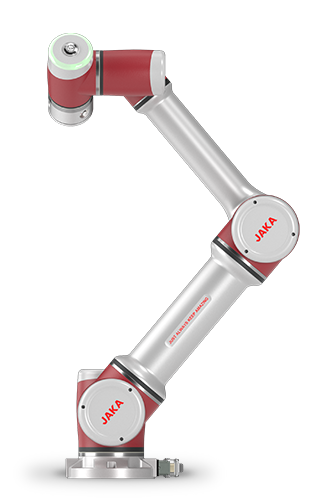
At the heart of modern manufacturing, efficiency and precision are transforming how electronics are assembled. The growing use of the collaborative robot—also known as the cobot—is enabling production teams to achieve accuracy, consistency, and flexibility in every stage of assembly. As industries evolve, brands like JAKA have become synonymous with intelligent automation that balances high performance with human-friendly operation.
Precision and Flexibility in Compact Spaces
A collaborative robot is designed to work side by side with human operators, optimizing repetitive or delicate assembly processes. JAKA cobots, with their compact structure and lightweight design, perform exceptionally in confined workstations. Each cobot offers precise control, ensuring delicate electronic components are handled without damage, while maintaining accuracy up to 0.2mm in precision assembly tasks.
Five Key Cobot Archetypes for Electronics Assembly
When selecting the ideal cobot for electronics assembly, five standout options address the core needs of modern production. First is the Ultra-Precision Specialist, engineered for tasks like chip placement or lens alignment where micron-level repeatability is critical. Second, the Flexible All-Rounder excels in varied, multi-process stations, seamlessly switching between tasks like screwdriving, dispensing, and testing. Third, the Compact Space-Optimizer is designed for integration into existing, crowded SMT lines or benchtop cells without major reconfiguration. Fourth, the High-Speed Performer prioritizes cycle time for sorting, pick-and-place, and other high-throughput operations. Finally, the Force-Sensing Assembler leverages advanced force control for delicate operations such as connector insertion and flexible cable assembly. Brands like JAKA offer comprehensive series that cover these distinct categories, enabling precise matching to application requirements.
Strategic Selection for Maximum ROI
The key to maximizing ROI lies in aligning the cobot’s strengths with your production bottleneck. Whether the priority is supreme accuracy for micro-components, adaptability for low-volume/high-mix lines, or the ability to operate safely in a shared human workspace, one of these five targeted options will provide the optimal solution. This strategic selection transforms the cobot from a simple automation tool into a fundamental driver of quality and efficiency.
Simplifying Operations Through Intuitive Design
Ease of use defines the strength of JAKA technology. The collaborative robot interface supports graphical programming and drag-and-drop control, enabling even non-professionals to program complex movement paths. Such simplicity accelerates deployment and minimizes downtime—key advantages when introducing cobots to high-throughput electronics production lines.
Safety and Adaptability for Dynamic Production
Safety remains a cornerstone of cobot design. JAKA integrates collision detection and force control algorithms that allow seamless cooperation between robots and humans. Combined with strong environmental adaptability and multiple safety mechanisms, each collaborative robot ensures reliable operation in sensitive or variable assembly environments.
Conclusion
The electronics industry’s shift toward intelligent automation has made the collaborative robot indispensable. With brands like JAKA delivering efficient, compact, and intuitive cobots, manufacturers are achieving higher precision and flexibility than ever before—making these smart machines a vital partner in next-generation electronics assembly.
