
The modern retail environment presents a highly competitive landscape for physical stores and e-commerce platforms. Businesses consistently seek new methods to attract shoppers and build lasting customer loyalty. Standing out requires more than just offering standard goods. Carrying mainstream national brands often leads to straightforward price competition, which can compress profit margins.
When multiple stores offer identical products, consumers may simply choose the most convenient or affordable option. Retailers need unique offerings to secure a loyal customer base. To navigate this challenge, forward-thinking businesses frequently turn to exclusive product lines. Developing a proprietary selection of private label candy allows a retailer to offer items that local competitors cannot stock.
Cultivating a Unique Brand Identity
When a store features proprietary sweets, it can transform a standard confectionery aisle into a specialized shopping destination. Consumers seeking specific flavor profiles or unique packaging styles must visit that particular retail chain to purchase them. Exclusive products encourage repeat visits. Implementing a custom line of private label candy allows businesses to dictate the exact aesthetic of their packaging.
Retailers can align the visual design closely with their broader corporate identity. This tailored approach reinforces the company’s core message with every purchase. Whether a store aims to project a premium, artisanal image or a vibrant, family-friendly atmosphere, customized confections serve as a tangible extension of the brand. Thoughtful product design helps create a cohesive shopping experience.
The Financial and Strategic Advantages
Beyond brand building, customized store-brand items can deliver attractive profit margins relative to standard wholesale brands. Retail operators gain more direct control over their pricing models and promotional strategies. This flexibility is vital for optimizing category profitability. Providing an exclusive selection also shields retailers from direct price comparisons.
Shoppers cannot easily compare the cost of a unique store-brand item with a competitor’s identical product. This separation helps maintain healthy profit margins while delivering perceived value. Launching a successful store-brand strategy, however, requires infrastructure that most retail organizations lack internally. Developing a distinct recipe from scratch and scaling it is highly resource-intensive.
The Role of a Specialized Private Label Gummy Manufacturer
Consequently, forming an alliance with an established private label gummy manufacturer is often a necessary step for sustainable retail growth. A capable production partner brings technical expertise and industrial capacity. This allows the retail brand to focus its efforts on marketing and merchandising. By outsourcing the complex production phase, stores can efficiently bring unique concepts to market.
A reliable private label gummy manufacturer reduces the operational friction associated with launching a new product category. Access to specialized research and development resources is another significant benefit of external partnerships. Professional facilities often employ experts who assist in formulating distinct flavor profiles, structural shapes, and specific textures. This technical support is vital for product creation.
Tailoring Products to Target Demographics
Brand differentiation also stems from catering to specific, localized consumer preferences. A skilled private label gummy manufacturer enables retailers to fine-tune their offerings based on regional sales data and emerging demographic trends. Stores can identify growing interests in specific flavor blends. Working with a dedicated production team means the resulting confections can be formulated accurately.
Retailers might request modified textures or unique novelty shapes to suit their primary customer base. This customization provides a tailored snacking experience. Broad, globally distributed standard brands might overlook niche regional preferences. By offering localized flavors, a store can solidify its unique market position. Addressing specific consumer demands directly can support higher shopper satisfaction.
Leveraging Advanced Manufacturing with HAPI
To achieve a quality level that rivals or exceeds mainstream options, retailers frequently seek partners with advanced technical capabilities. HAPI operates as a professional manufacturing entity with significant experience in this competitive sector. They offer robust infrastructure for commercial clients. Located in Vietnam, HAPI utilizes advanced automated systems to help ensure consistent product output.
Their facility incorporates dedicated research and development personnel who assist clients in refining their distinct product visions. This support is crucial for developing viable retail goods. Choosing a partner like HAPI provides access to specialized equipment, such as automated NID production lines sourced from Australia. This technical foundation helps maintain uniformity in shape and taste.
Creative Customization Options
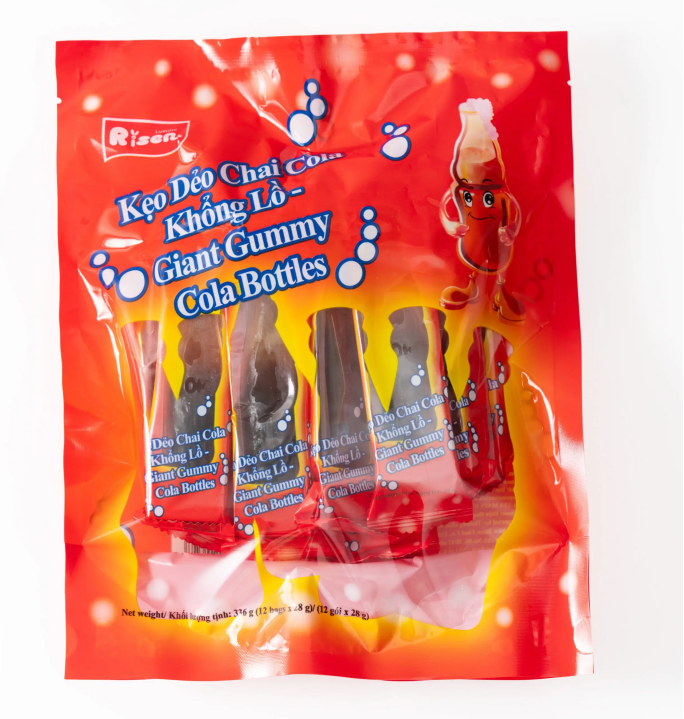
Unique product configurations play a central role in a successful store-branded retail strategy. Retailers have the opportunity to collaborate on entirely new concepts or select from popular existing formats. HAPI specializes in crafting custom-shaped confectionery items designed to capture attention. Their production capabilities include engaging novelty shapes such as cola bottles, hot dogs, and burgers.
These creative visual formats frequently appeal to diverse consumer groups and multiple age demographics within the retail environment. Novelty shapes can significantly enhance brand differentiation. The formulation process can also accommodate various ingredient specifications. Retail buyers might request specific inclusions, such as fruit juice components, to align with health-conscious consumer trends.
Ensuring Quality and Consistency
Consistent quality is essential for maintaining the trust associated with a store’s brand name. Rigorous quality control remains a standard procedure throughout the entire customization and manufacturing phase. Strict production oversight helps guarantee that finished products meet relevant industry standards. Retailers can confidently stock these items knowing they originate from a professional environment.
When a retail chain successfully launches an exclusive confectionery line, it builds equity directly into its own name. Partnering with a reliable facility such as HAPI supports this strategic goal by delivering dependable, market-ready products. Consumers expect a consistent experience every time they purchase their favorite store-brand sweet. Reliable manufacturing schedules support steady shelf availability.
The Strategic Role of Private Label in Retail Differentiation
Ultimately, utilizing exclusive sweets is a practical and effective method for retailers to distinguish their aisles. By cultivating a distinct identity, stores can foster lasting loyalty and strengthen their overall competitive positioning. Store-branded items are becoming a core element in modern inventory planning strategies. They offer a unique blend of profitability and customer engagement.
Working alongside an experienced partner ensures that these new retail additions are crafted with precision. Collaborative business approaches support retail growth and provide consumers with varied options. Differentiating through proprietary goods remains a smart, forward-looking retail strategy. Expanding assortments strategically with custom items generally benefits both the retailer and the everyday shopper.
