
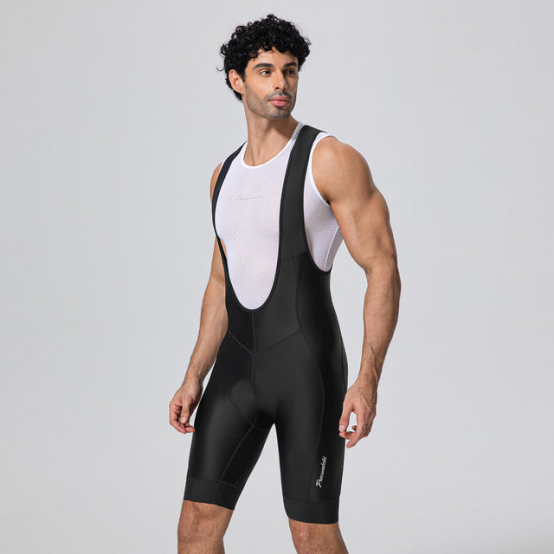
Embarking on a long ride requires more than just physical endurance and a well maintained bicycle. The clothing worn directly impacts physical comfort and overall performance on the road or trail. Serious riders quickly discover that upgrading their wardrobe is just as crucial as upgrading their bicycle components. Among the various garments available today, finding the right bottom wear stands out as a critical priority. Traditional shorts often fall short during extended sessions because waistbands can dig into the abdomen and restrict breathing. This is why men’s cycling bibs have become the standard choice for anyone spending hours in the saddle. By removing the restrictive waistband and utilizing shoulder straps for support, these garments offer unparalleled freedom of movement and continuous comfort.
Core Design Elements For Optimal Riding Posture
A fundamental aspect of evaluating premium riding gear involves examining the anatomical construction of the garment. Unlike casual athletic clothing, specialized cycling apparel is engineered to fit the human body while it is crouched over handlebars. This forward leaning posture requires fabric panels to be strategically cut and sewn together to prevent bunching at the hips and pulling across the lower back. Multi panel construction is a hallmark of superior manufacturing because it allows the fabric to conform precisely to the curvature of the legs and torso.
The straps themselves play a vital role in maintaining this perfect alignment. High quality suspender sections are typically crafted from highly breathable mesh materials that lay flat against the shoulders. This flat profile prevents chafing under a jersey and ensures that body heat escapes efficiently. Furthermore, robust men’s cycling bib shorts feature carefully calibrated tension in these straps.Straps need sufficient tension to keep the shorts fixed firmly. They should never strain your collarbones or limit deep breathing during hard aerobic riding.
Material Innovation And Moisture Management Technology
The performance capabilities of any athletic garment depend heavily on the textiles used in its construction. Modern riding apparel relies on sophisticated blends of synthetic fibers such as polyester, nylon, and elastane. These materials are chosen specifically for their exceptional elasticity and shape retention properties. When a rider’s pedaling motion demands continuous muscular expansion and contraction, the fabric must stretch effortlessly and snap back instantly. This dynamic elasticity provides gentle muscular compression, which helps reduce fatigue by minimizing muscle vibration over rough pavement or gravel paths.
Equally important is the ability of the fabric to manage perspiration. Strenuous physical exertion inevitably leads to sweating, and moisture trapped against the skin can cause rapid chilling during descents or severe chafing over time. Advanced synthetic blends utilize capillary action to draw sweat away from the epidermis and push it to the outer surface of the garment where it can evaporate into the air. Many manufacturers also incorporate ultraviolet protection directly into the fabric weave to shield the skin from harsh sun exposure during long summer excursions.
Evaluating Chamois Pad Design For Long Distance Comfort
Perhaps the most critical component of any lower body riding garment is the internal padding known as the chamois. This protective insert serves as the primary interface between the rider and the saddle, making its design paramount to overall comfort. Premium inserts utilize varying densities of foam positioned strategically to support the sit bones while relieving pressure on sensitive soft tissue areas. An anatomically shaped pad absorbs road vibrations and harsh impacts, transforming a punishing ride into a smooth experience.
Modern chamois technology also focuses heavily on breathability and skin health. The surface layer of the pad that contacts the skin is typically treated with antibacterial properties to maintain hygiene during prolonged sweaty conditions. Seamless construction along the edges of the insert is another crucial feature that prevents friction induced saddle sores. When evaluating different options, riders should seek out multi density foam structures that provide robust shock absorption without feeling overly bulky or restrictive while pedaling.
Essential Finishing Touches For Enhanced Functionality
Beyond fabrics and padding, finishing details often dictate long term usability. Leg grippers are a perfect example of a small feature making a massive difference. Positioned at the bottom hem, these grippers use silicone strips or woven elastic bands to anchor the fabric securely against the thigh. This prevents the material from creeping up the leg during repetitive pedaling motions. A secure hem ensures that the compressive benefits of the fabric remain evenly distributed, meaning the rider never has to constantly adjust their clothing while moving at high speeds.
Elevating Your Ride With Precision Engineered Apparel
Finding gear that perfectly balances professional grade functionality with accessible value can transform how an athlete approaches their training schedule. It becomes much easier to tackle challenging routes when you trust the equipment you are wearing. Przewalski Cycling has built a strong reputation by meticulously engineering garments that meet the rigorous demands of both recreational enthusiasts and competitive racers. Their apparel features advanced multi density chamois padding and ergonomic multi panel construction that seamlessly adapts to the biomechanics of a cyclist in motion.
By integrating highly breathable mesh fabrics with durable moisture wicking textiles, they ensure riders stay dry and comfortable across varying weather conditions. The attention paid to small details like seamless padding edges and reliable silicone leg grippers demonstrates a deep understanding of what cyclists truly need on the road. Investing in such thoughtfully designed apparel allows riders to stop worrying about physical discomfort and start focusing entirely on the joy of the journey ahead.
