
Managing diabetes frequently requires consistent medication delivery, making user-friendly devices highly important. Modern advancements have largely replaced traditional syringes with convenient delivery systems. The insulin pen has become a primary method for daily administration. However, these pens rely on small, disposable components to function. Understanding how these parts interact is helpful for patients.
The disposable attachment serves as a vital bridge between the medication reservoir and the patient’s subcutaneous tissue. Without a precise and compatible tip, the dosing mechanism may fail to deliver the intended therapy. Healthcare professionals and distributors often seek to understand the mechanics behind these devices. This knowledge typically assists in selecting reliable products.
The Basic Anatomy of a Pen Needle
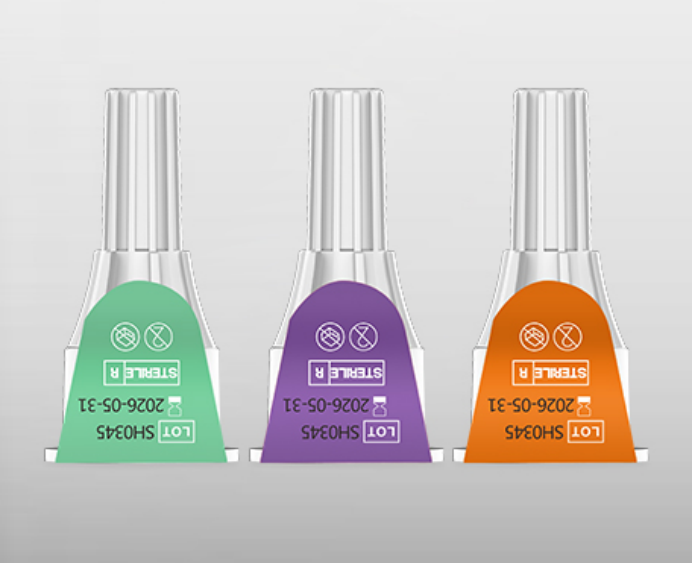
To understand how the system works, it is helpful to first examine the specific structure of the attachment. A standard pen needle consists of several distinct parts designed for safety and ease of use. The visible metal portion, known as the cannula, is typically made from medical-grade stainless steel. This cannula is firmly embedded within a plastic hub featuring internal threads.
Safety features are also incorporated to protect the user before and after administration. An outer plastic shield covers the needle assembly to protect the needle before use and help reduce the risk of accidental contact. Inside, a smaller inner shield directly covers the exposed metal cannula to help prevent accidental pricks. Finally, a protective paper tab seals the base, helping maintain sterility until opened.
The cannula itself is engineered with specific parameters like gauge and length. The gauge indicates the approximate outer diameter of the needle cannula, with higher gauge numbers generally corresponding to smaller diameters. Many modern designs utilize ultra-fine gauges, such as 32G or 33G, which often help reduce patient discomfort. Lengths typically vary from 4mm to 12mm, designed to accommodate different body types and various injection techniques.
How the Device Connects to the Medication Reservoir
The interaction between the disposable tip and the pre-filled pen relies on a simple mechanical connection. The plastic hub of the disposable unit is designed to fit snugly over the threaded end of the device. After removing the protective tab, the user attaches the needle assembly to the pen by aligning the connection and twisting it into place. A secure connection is typically achieved by twisting the hub.
During this attachment process, an important internal action occurs out of sight. The metal cannula is double-ended, meaning it extends slightly backward into the plastic hub. As the hub is screwed onto the device, this backward-facing point pierces the rubber septum of the cartridge. This puncture helps establish a direct fluid pathway from the liquid reservoir.
The Mechanics of Medication Delivery
Once the connection is established and the user dials their prescribed dose, the system is typically ready. Pressing the dosing button causes an internal plunger to physically push against the rubber stopper inside the cartridge. This pressure drives the selected dose through the pen needle and into the subcutaneous tissue.
For optimal delivery, the internal diameter of the cannula plays a significant role. Many advanced products feature thin-wall technology, which slightly increases the internal space without enlarging the outer diameter. This design often allows the medication to flow more easily. A smoother flow rate generally requires less thumb force, which can make the process more comfortable.
After pressing the button, the user is usually instructed to hold the device in place for several seconds. Users should follow the instructions for the specific insulin pen and medication regarding how long to keep the needle in place after dose delivery. Because the fluid is under pressure, withdrawing the device too quickly can sometimes lead to minor medication leakage.
Sourcing Reliable Medical Components
For procurement teams, sourcing high-quality disposable components is a critical responsibility. The market offers numerous options, making it helpful to evaluate technical specifications carefully. Compatibility with the intended injection systems is a primary sourcing consideration, and the hub connection should be verified for the specific devices being used.
Products manufactured according to applicable ISO requirements can support quality and performance evaluation, while compatibility should be verified for the intended injection systems.
The manufacturing process heavily influences the final quality of the product. Precision engineering is typically needed to create consistent tri-bevel tips and apply even silicone lubrication. A well-lubricated point tends to glide more smoothly through the skin, which can significantly improve patient compliance. Distributors often look for manufacturing partners with robust quality control systems.
Partnering with an established manufacturer can provide significant advantages for healthcare buyers. Reputable companies typically invest in automated inspection technologies to monitor dimensional accuracy. Working with an experienced manufacturer like SteriLance often allows distributors to secure a stable supply of inspected products. Reliable supply chains are highly important for maintaining adequate inventory.
Supporting Effective Diabetes Management
The seemingly simple disposable tip is an extensively engineered medical component. Its ability to securely connect to a delivery device and provide a smooth fluid pathway is highly important for daily diabetes care. Understanding how these parts interact helps patients and providers better appreciate modern medication administration. This knowledge is equally valuable for supply professionals.
Distributing reliable medical supplies requires careful evaluation of manufacturing standards. Selecting well-engineered components generally supports more comfortable dosing experiences for end-users. As the need for patient-administered therapies grows, maintaining access to high-quality disposable devices remains a priority. Ultimately, providing dependable tools helps support better daily management for those navigating ongoing health conditions.
Disclaimer: This content is provided for general health education and informational purposes only. It does not constitute medical advice, diagnosis, or treatment. Individual health conditions vary, and no health education article can replace a face-to-face consultation with a qualified healthcare professional or licensed medical institution. If you have specific health concerns or feel unwell, please seek care from a licensed medical facility and do not delay treatment because of content on this platform.
