
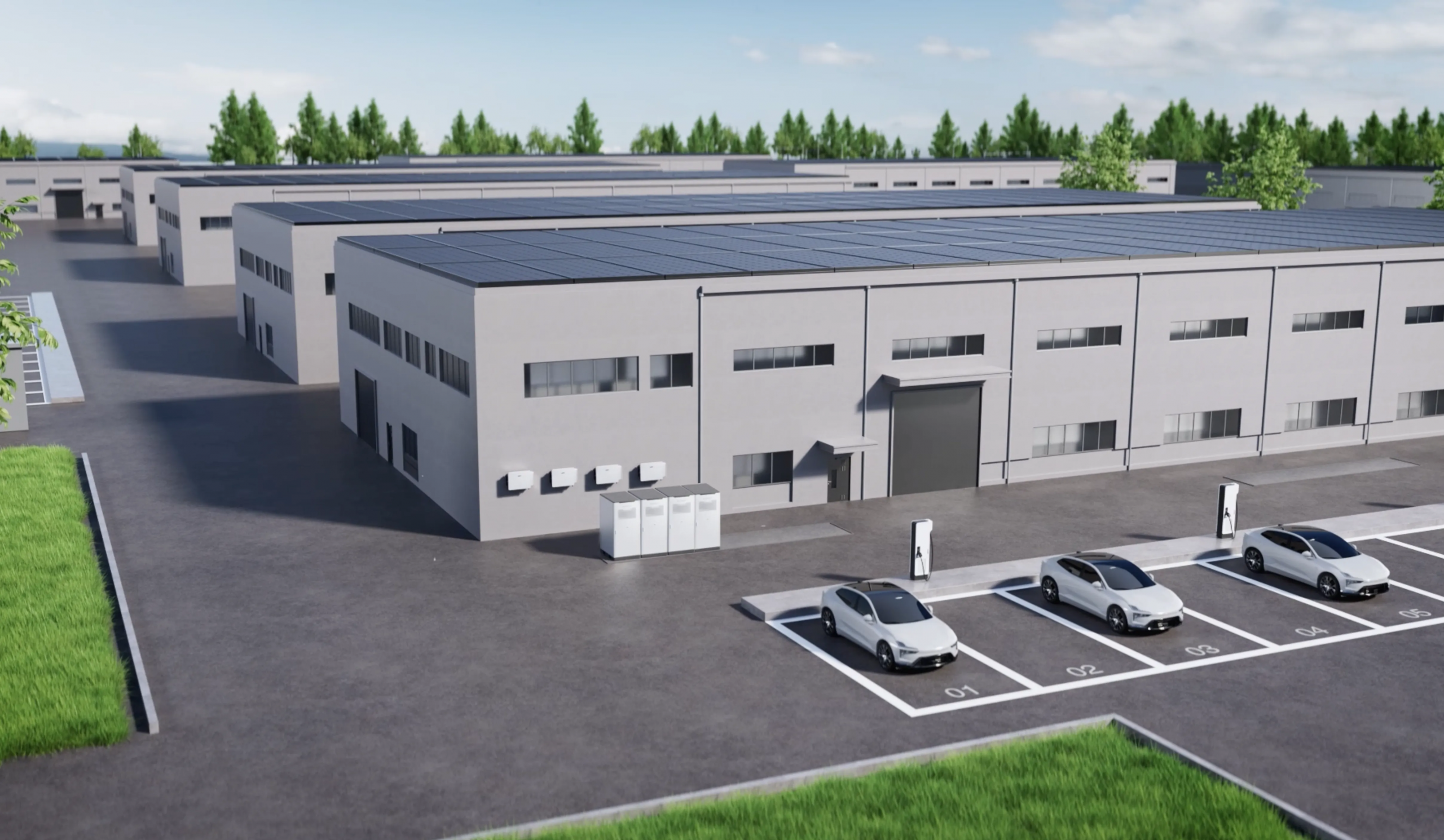
As companies work to reduce emissions across operations, commercial solar energy is becoming an important part of supply chain strategies. From manufacturing facilities to logistics hubs, businesses are exploring cleaner energy sources to lower carbon output while maintaining efficiency. Integrating solar power into daily operations helps align environmental goals with long-term operational stability.
The Role of Commercial Solar Energy in Supply Chains
Supply chains rely heavily on electricity for production, storage, and transportation. By adopting commercial solar energy, businesses can generate power on-site and reduce dependence on fossil-fuel-based grids. This shift directly lowers emissions associated with energy consumption.
Solar installations paired with energy storage systems allow companies to use electricity even when sunlight is unavailable. During peak production hours, solar energy can power equipment, while stored energy supports operations at night. This continuous cycle improves energy utilization and supports more consistent supply chain performance.
Integrated Energy Solutions for Modern Operations
Modern supply chains require more than just solar panels. Integrated systems that combine photovoltaic generation, battery storage, and electric vehicle charging infrastructure create a more complete solution. These systems help businesses manage energy demand, reduce peak load costs, and support electrified transport fleets.
For example, Sungrow offers commercial solutions that connect solar power, storage, and EV charging into one coordinated system. This setup enables real-time energy management and allows businesses to adapt to changing energy needs. It also supports scalability as operations expand, ensuring that supply chains remain efficient over time.
Improving Efficiency and Reducing Carbon Impact
By using commercial solar energy, companies can optimize how and when electricity is consumed. Smart energy management systems monitor usage patterns and adjust power distribution automatically. This reduces waste and ensures that renewable energy is used as much as possible.
In addition, solar-powered EV charging helps decarbonize transportation within supply chains. Fleets powered by renewable electricity contribute to lower overall emissions while maintaining operational reliability.
Conclusion
Decarbonizing supply chains requires practical and scalable solutions. Commercial solar energy provides a clear pathway by reducing emissions, improving energy efficiency, and supporting modern logistics needs. With integrated systems from providers like Sungrow, businesses can move toward cleaner operations while maintaining productivity and adaptability in a changing energy landscape.
