
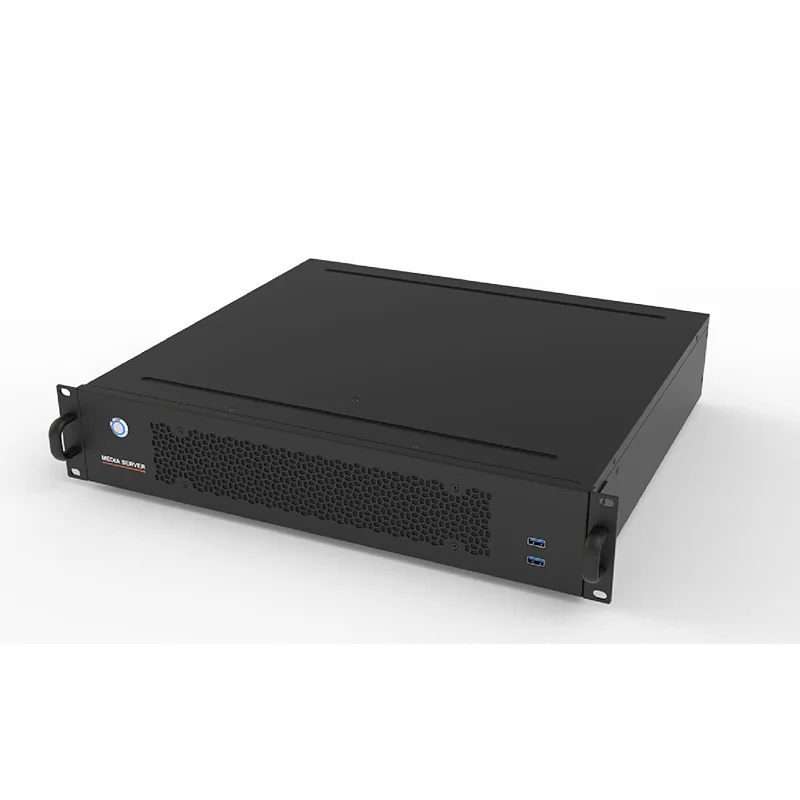
Modern live productions rely on more than cameras, lighting, and LED screens. Behind many impressive visual experiences is a powerful control platform that manages video playback, screen layouts, effects, and real-time content changes. A live event media server has become an essential tool for concerts, XR studios, theater performances, and large LED display projects.
Unlike traditional video playback equipment, a professional media server is designed to handle complex visual workflows. It allows production teams to combine multiple video sources, create dynamic scenes, synchronize displays, and deliver stable output during critical moments. Kystar provides media server solutions designed for professional visual applications, including live entertainment, XR studios, and creative display environments.
What Is a Live Event Media Server?
A live event media server is a specialized hardware and software system used to manage, process, and distribute visual content during real-time events. It works as the central hub between content creators, video sources, LED processors, and display systems.
In concerts, for example, the media server receives prepared video files, camera feeds, animations, and graphic elements before sending synchronized signals to large LED walls. Operators can switch scenes, adjust layers, apply effects, and coordinate visuals with music, lighting, and stage movements.
The main difference between a standard video player and a professional media server is flexibility. A basic player simply displays content, while a media server provides creative control over how content appears on different screens and surfaces.
Live Event Media Server Applications in Concert Productions
Large concerts often use multiple LED screens surrounding performers, including main displays, side screens, ceiling panels, and custom-shaped LED structures. These complex setups require precise content management because every screen must display the correct image at the correct time.
A professional media server helps production teams manage multiple layers of content. Background animations, live camera feeds, sponsor graphics, and special visual effects can be combined into one workflow. This creates a seamless experience where visuals match the rhythm and atmosphere of the performance.
For touring concerts, reliability is also a major consideration. Equipment must operate continuously in different venues with different screen configurations. Features such as preview functions, timeline control, and backup systems help reduce operational risks during live shows. The Kommander series from Kystar supports applications such as live events and portable production, offering tools for multi-layer management, synchronization, and flexible output control.
XR Stages and Virtual Production Workflows
Virtual production has changed how filmmakers, broadcasters, and content creators use LED displays. XR stages combine large LED walls with real-time rendering technology to create immersive digital environments without relying only on traditional green screens.
In these environments, a media server plays an important role by delivering accurate background images, extended environments, and interactive visual elements. The system must maintain stable playback, accurate timing, and high-quality image output because even small delays can affect camera tracking and production quality.
XR projects often require wide display areas, unusual aspect ratios, and synchronized content across multiple LED panels. A capable media server allows operators to map content precisely and adjust output according to the physical LED structure.
Kystar’s Kommander media server solutions are positioned for demanding scenarios such as XR studios and large visual installations. The systems support advanced workflows involving high-resolution playback, multi-screen control, and synchronization between devices.
Large LED Shows and Creative Visual Displays
Beyond concerts and XR production, large LED shows are widely used in exhibitions, theme attractions, sports events, and public performances. These projects often include irregular LED shapes, panoramic screens, and immersive environments that require customized content management.
A media server helps designers transform creative concepts into practical visual experiences. Operators can control different areas of an LED display independently while maintaining overall synchronization. This is especially important for projects involving curved screens, combined displays, or multiple playback zones.
Large LED installations also require accurate image processing. The system needs to handle high-resolution content while maintaining smooth playback and consistent image quality. Professional platforms can support features such as real-time effects, projection blending, and customized screen mapping to meet different creative requirements.
How to Choose the Right Media Server for a Project?
Selecting the right solution depends on several factors, including display size, content complexity, application environment, and future expansion needs.
For small and medium events, production teams may prioritize portability and fast setup. For large permanent installations or XR studios, they may require stronger processing capability, multi-server synchronization, and long-term stability.
Important evaluation points include:
Output resolution and processing capacity
Number of supported screens and layers
Compatibility with LED processors and control systems
Real-time effects and content management functions
Backup and synchronization features
Ease of operation during live performances
For Kystar, professional reliability and flexible control are key considerations when developing media server solutions. The Kommander product family includes different models designed for various applications, from live events to fixed installations and commercial environments.
Conclusion
A live event media server is the foundation behind many modern visual productions. From concert stages and XR studios to massive LED shows, it provides the control, flexibility, and stability needed to transform digital content into immersive experiences.
As event technology continues to evolve, production teams need systems that can handle increasingly complex displays and creative requirements. Choosing the right media server allows designers and operators to achieve smoother workflows, better synchronization, and more engaging visual results.
Kystar continues developing professional display control solutions that support creative applications across entertainment, commercial, and immersive environments. By combining advanced processing capabilities with practical operation features, its solutions help production teams deliver reliable and impressive visual performances.
