
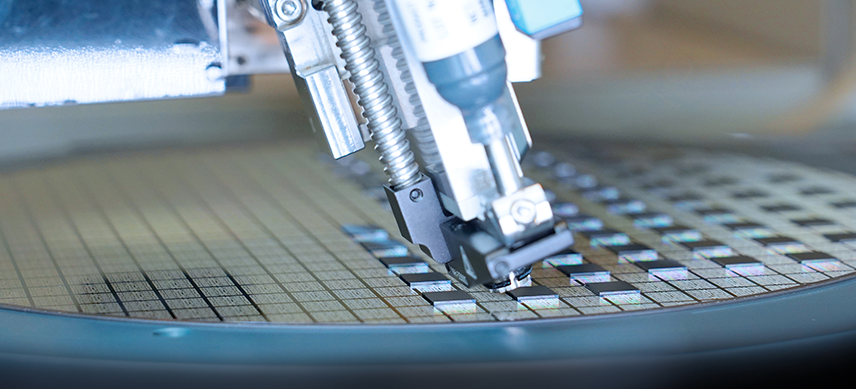
Modern electronic devices depend on tiny components that must remain securely positioned, electrically reliable, and protected from environmental stress. Fluid dispensing supports these requirements by delivering controlled amounts of adhesives, sealants, thermal interface materials, and other process fluids to specific locations during assembly.
Depending on the application, these materials may reinforce components, fill gaps, seal housings, or improve heat transfer. The purpose is not simply to apply liquid material, but to place the right amount in the right location with repeatable results. Axxonauto operates in this specialized manufacturing field, providing precision dispensing solutions for different industrial requirements.
Where Fluids Make a Difference in Electronic Assembly
Circuit boards contain components with different sizes, surface properties, and mechanical demands. Adhesives can reinforce vulnerable parts against vibration, while underfill materials fill spaces beneath certain packages to help distribute mechanical stress. Sealants protect designated joints from moisture and contaminants, although their effectiveness depends on material compatibility and the quality of the finished seal.
Thermal management presents another important application. Power electronics and other heat-generating components may require thermal interface materials to bridge small gaps between a component and a heat sink. Consistent coverage helps reduce air gaps that impede heat transfer, but performance also depends on material conductivity, bond-line thickness, contact pressure, and surface preparation.
The dispensing process must reflect the function of each material. A narrow adhesive bead around a connector requires different placement control from a larger deposit beneath a semiconductor package. Engineers typically define target volume, application location, acceptable variation, and curing conditions before selecting equipment, since these parameters determine what the production process must achieve.
| Fluid function | Typical material | Key process requirement |
| Structural bonding / reinforcement | Epoxy, acrylic adhesive | Dot/bead width, placement accuracy |
| Underfill | Underfill adhesive | Flow into narrow gaps, no voids |
| Sealing / protection | Silicone, sealant | Continuous coverage, substrate compatibility |
| Thermal conduction | Thermal interface material | Uniform thickness, no air gaps |
How Precision and Process Monitoring Affect Product Quality
The quality of a deposit depends on more than the motion of the dispensing head. Fluid temperature, pressure stability, nozzle condition, and the time elapsed since material preparation can all change how a substance flows. Variations in these factors may cause inconsistent bead dimensions, trapped air, incomplete coverage, or excess material that interferes with neighboring components.
Process validation should combine visual inspection with measurable criteria. Depending on the application, manufacturers may assess bead width, deposited mass, coverage, bond-line thickness, or void formation. Automated vision can detect misplaced or irregular deposits, while periodic measurements help determine whether a process remains within its specified limits.
Production data becomes particularly useful when defects appear intermittently. Recording dispensing parameters alongside inspection results can help engineers distinguish equipment-related variation from material changes, substrate contamination, or incorrect curing conditions. This approach turns fluid dispensing into a controlled manufacturing process supported by evidence rather than operator judgment alone.
Equipment Selection and Practical Manufacturing Considerations
Equipment requirements vary with throughput, available workspace, product complexity, and the number of assembly variants. A compact system may suit prototyping or small batches, whereas an inline platform can be more appropriate for continuous production. Buyers should also consider whether the process needs contact dispensing, non-contact jetting, vision alignment, or additional motion axes to reach difficult application locations.
Axxonauto offers equipment for different electronic assembly processes. Its MYD50X inline precision dispensing system uses closed-loop linear motors and supports applications such as underfill, pin encapsulation, edge bonding, and surface-mount adhesive application. The manufacturer’s published specifications list a maximum dispensing area of 350 × 500 mm in single-lane configuration. These details provide a concrete reference for technical evaluation, although suitability still depends on the workpiece, material, and validated process requirements.
Before purchasing adhesive dispensing systems, engineering and procurement teams should establish acceptance criteria through representative production trials. Testing should examine deposit consistency, cycle time, material waste, cleaning requirements, and recovery after common faults. Installation compatibility, operator training, spare-part availability, and service response should also be reviewed, since these factors influence long-term production stability as much as the initial machine specification.
Conclusion
Reliable electronic assembly depends on matching material behavior, application geometry, and process control to the requirements of each component. Adhesive dispensing systems can support bonding, sealing, reinforcement, and thermal management, but their value depends on careful process development and ongoing quality verification. With its experience in precision dispensing equipment, Axxonauto is one supplier manufacturers may evaluate when developing or upgrading an electronics production line.
Frequently Asked Questions
What Materials Are Commonly Used in Electronic Dispensing Processes?
Common examples include epoxies, silicones, acrylic adhesives, underfill materials, thermal interface materials, and solder pastes. The appropriate choice depends on bonding strength, electrical properties, operating temperature, curing requirements, and environmental exposure.
Why Does Dispensing Accuracy Matter for Small Electronic Components?
Small components leave limited space for material placement. Excess adhesive can contaminate contacts or interfere with neighboring parts, while insufficient coverage may weaken bonding or compromise protection. Repeatable deposits help maintain assembly quality.
