
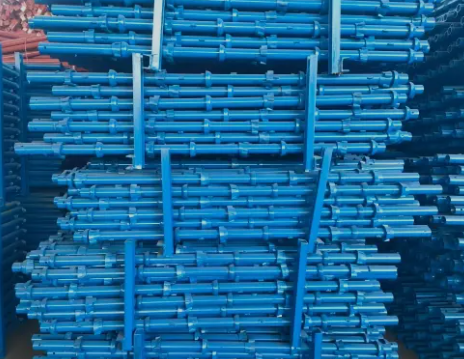
Construction projects depend on temporary structures throughout different building stages. While the overall scaffold layout is important, the connection details between components also influence installation, adjustment, and daily operation. Small structural points, such as locking methods and component matching, can affect how smoothly equipment is used on construction sites.
For contractors, engineers, and project buyers, understanding these details helps with equipment evaluation. A suitable scaffold structure needs to match working conditions, project layouts, and installation requirements. Looking beyond basic components allows teams to understand how different parts contribute to practical construction applications.
Why Connection Design Matters in Construction
Scaffolding connections create links between standards, ledgers, braces, and support components. These connection areas allow separate parts to form a complete working structure that can be adjusted according to project needs.
Different construction environments create different challenges. A commercial building project may require flexible working levels, while bridge construction or industrial facilities may involve wider spaces and more complex arrangements. Connection designs need to support these changing conditions.
The locking structure is also an important consideration during installation. Clear connection methods help workers identify where each component should be placed and how different parts should work together. This can support more organized assembly processes on site.
When companies evaluate a scaffolding manufacturer, they often review production capability, component compatibility, and technical documentation. A supplier needs to understand how individual parts connect within the complete structure, not only to focus on producing separate components.
How Modular Connection Structures Work
Modular scaffolding uses planned connection points to create adjustable structures for different construction applications. Ringlock designs are commonly based on connecting vertical standards, horizontal ledgers, and braces through fixed nodes to create various working arrangements.
The connection method affects the flexibility of the structure. Construction teams may need to adjust working platforms, change access areas, or create different layouts during a project. A suitable modular design allows equipment to adapt to these practical requirements.
Rongze specializes in Ringlock scaffolding systems, together with construction formwork and supporting building materials. It provides scaffolding equipment and formwork construction solutions for construction and engineering applications worldwide. Its products are developed around the needs of different project environments.
For distributors and contractors, reviewing connection details before purchasing can provide useful information. Component sizes, installation methods, and structural compatibility are factors that help buyers compare equipment based on actual applications.
Factors That Influence Equipment Selection
Choosing suitable scaffolding requires a review of the working environment. Construction height, ground conditions, expected loads, and available installation space can influence the type of equipment needed for a project.
A structure designed for one application may not fit another environment. For example, a large infrastructure project may require different arrangements compared with a smaller commercial construction site. Understanding project conditions helps buyers select more suitable configurations.
Technical documents also support the evaluation process. Product drawings, material information, and assembly instructions allow project teams to understand how components connect and how the equipment should be prepared before use.
Companies comparing scaffolding systems should consider the relationship between different parts instead of reviewing only single components. Connection points, support elements, and installation procedures all influence the overall application of the equipment.
Connection Details in Real Construction Applications
Connection details continue to influence scaffold use after installation. During construction, workers may need to extend platforms, modify access routes, or adjust working areas as the project develops. Flexible connection structures can support these changes.
Regular inspection is another part of equipment management. When components have clear structures, site teams can identify parts more easily and check connection areas during routine maintenance activities.
Large construction projects usually involve cooperation between different teams. Contractors, engineers, and equipment suppliers need clear communication about technical requirements, installation methods, and component arrangements.
Transportation and storage are also related to connection design. Standardized parts are easier to classify and organize before installation. Proper equipment management can help teams prepare materials more efficiently during different project stages.
Building Practical Choices Through Technical Evaluation
Reliable scaffold performance depends on the relationship between design, manufacturing, and real application. Although connection points are small parts of the structure, they influence assembly processes, adjustment options, and long-term equipment management.
Rongze provides Ringlock structures, construction formwork, and supporting building materials for global construction and engineering projects. It combines manufacturing experience with project application knowledge to support customers with equipment solutions based on different construction requirements.
When selecting a scaffolding manufacturer, buyers can review connection designs, production processes, product compatibility, and technical support. A careful evaluation process helps companies understand whether equipment matches their working environment and project plans.
Understanding scaffold connection details gives construction teams more practical references during equipment selection. From component matching to installation planning, technical evaluation helps projects develop organized approaches for temporary structures used in different construction conditions.
Beyond product specifications, buyers can also consider how suppliers communicate technical information and respond to project requirements. Clear cooperation before installation helps reduce misunderstandings and supports better preparation at the construction site. By examining both design details and application needs, companies can make decisions that fit their operational goals.
