
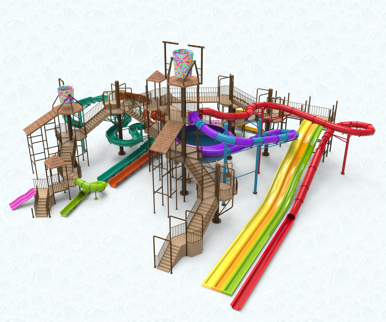
Developing a successful water park requires coordination between multiple stages, including concept planning, equipment selection, manufacturing, installation, and future operation. When choosing a contract structure with a water park manufacturer, project owners often need to decide between a turnkey solution and a piecemeal approach. This decision can influence project efficiency, communication costs, timeline control, and the overall quality of the final water park.
A turnkey contract allows one manufacturer to manage multiple aspects of the project, while a piecemeal contract separates responsibilities among different suppliers. Neither approach is suitable for every project, and the best choice depends on the project scale, management resources, and specific development goals. Understanding the differences between these two models can help developers create a clearer cooperation strategy with their selected manufacturer.
Understanding Turnkey and Piecemeal Contract Models
A turnkey contract means that the water park manufacturers take responsibility for a complete range of services throughout the project process. Instead of purchasing separate water park products from different suppliers, the project owner works with one partner that can support planning, equipment integration, manufacturing, delivery, installation guidance, and technical assistance.
This approach is especially suitable for projects that require multiple types of water amusement park equipment working together as one complete entertainment environment. Modern water parks are rarely built around a single attraction. They usually combine different facilities, such as water slide combinations, interactive water play areas, family attractions, and themed aquatic experiences. Therefore, coordination between different water park products becomes an important factor in project success.
A piecemeal contract takes a different approach by dividing responsibilities among several suppliers. One company may handle design, another may provide water park equipment, and additional contractors may be responsible for installation or supporting construction work. This model gives project owners more flexibility when selecting different suppliers, but it also requires stronger internal coordination and project management.
Why Many Projects Consider Turnkey Water Park Solutions
For large-scale developments, a turnkey contract can simplify the overall project process. Since one manufacturer manages multiple stages, communication between design, production, and installation teams can become more efficient. This helps reduce the risk of misunderstandings caused by different suppliers working with separate standards or expectations.
A professional water park manufacturer with turnkey capabilities can help evaluate the project concept and recommend suitable combinations of water park products based on available space, visitor capacity, and target customer experience. Instead of simply providing individual equipment, the manufacturer considers how different attractions connect with each other to create a complete and balanced water park environment.
For example, the placement of water amusement park equipment needs to match visitor flow, safety requirements, and operational planning. Water slides, children’s play structures, and relaxation areas should not be designed separately because each element affects the overall guest experience. A coordinated approach allows different attractions to work together more effectively.
Dalang provides integrated water park solutions that cover planning, equipment manufacturing, and project support. The company focuses on developing customized aquatic environments by combining different types of water park equipment according to project requirements.
Potential Challenges of a Piecemeal Contract Approach
Although a piecemeal contract provides flexibility, it can also create additional challenges during project development. When multiple suppliers are involved, each company may have different production standards, communication processes, and installation methods. Without effective coordination, these differences can affect project progress.
For example, water park products from different manufacturers may require adjustments to ensure compatibility with the overall design. Changes made during construction can increase costs and extend project timelines if responsibilities are not clearly defined from the beginning.
A piecemeal approach may work well for projects with experienced management teams that can coordinate multiple suppliers. However, for developers who prefer a simpler communication process, working with a manufacturer that provides comprehensive services may reduce complexity.
Key Points to Define in a Contract With a Water Park Manufacturer
Regardless of the chosen contract model, a detailed agreement is essential for successful cooperation. A clear contract should define the responsibilities of each party, including project scope, technical requirements, production standards, delivery schedules, and after-sales support.
The contract should clearly explain what services are included and whether the manufacturer is responsible for design support, water park equipment production, installation guidance, or technical training. Detailed equipment specifications should also be confirmed to ensure that the final water park products meet the expected requirements.
Project timelines are another important part of contract planning. Since water park construction involves multiple stages, establishing clear milestones for design approval, manufacturing completion, transportation, and installation can help both parties track progress more effectively.
Quality standards and inspection procedures should also be discussed before production begins. A reliable water park manufacturer should have professional manufacturing processes and quality control systems to ensure equipment durability and operational safety.
Selecting the Right Water Park Manufacturer for Long-Term Cooperation
Choosing a manufacturer is not only about comparing individual water park products. Project owners should evaluate whether the manufacturer has the experience and capability to support the entire development process.
An experienced manufacturer should understand how different attractions work together, provide professional planning support, and offer customized solutions based on project conditions. Manufacturing capability, engineering knowledge, and technical support are all important factors when selecting a long-term partner.
Dalang specializes in water park equipment development and provides solutions covering water amusement park equipment, customized attraction combinations, and project support services. By integrating planning, manufacturing, and technical expertise, Dalang helps create complete aquatic entertainment spaces for different project needs.
Conclusion
The choice between a turnkey and piecemeal contract depends on the complexity of the project and the level of management involvement required. A turnkey solution can provide better coordination by allowing one water park manufacturer to manage multiple project stages, while a piecemeal approach may offer flexibility with additional coordination responsibilities.
For large water park developments, selecting a manufacturer with comprehensive capabilities in design, manufacturing, and project support can help improve efficiency and reduce potential risks. By choosing the right contract structure and working with an experienced partner such as Dalang, developers can create well-planned aquatic entertainment environments that deliver long-term operational value.
