
For commercial vessel operators, shipbuilders, and maritime engineers, maintaining optimal climate control on the open water is a critical operational priority. Historically, traditional maritime cooling setups relied on standard single-speed rotary compressors that demanded massive amounts of power, causing significant generator strain. Today, the maritime industry is undergoing a technological revolution, rapidly adopting advanced cooling solutions to enhance energy efficiency and reduce onboard electrical loads. At the forefront of this evolution is the marine inverter air conditioner, a highly sophisticated system designed to dynamically adapt to varying thermal conditions. By replacing rigid on-and-off cycling with intelligent frequency modulation, these modern climate control systems provide unparalleled temperature stability and dramatic energy savings. This comprehensive guide explores the exact mechanics behind variable speed compressors, demonstrating why they have become the preferred choice for commercial fleets and modern yachts alike. Understanding this cutting-edge technology allows marine professionals to make informed decisions when selecting robust, efficient cooling equipment.
Understanding the Marine Inverter Air Conditioner Framework
To appreciate the benefits of a marine inverter air conditioner, one must first understand the fundamental differences in compressor technology. Traditional maritime cooling systems operate on a simple, binary logic: the compressor is either entirely on or entirely off. When the cabin temperature exceeds the set point, a conventional compressor kicks on at full capacity, resulting in a massive surge of startup current. This sudden electrical draw often requires oversized onboard generators and heavy-duty wiring just to handle the startup spikes. Once the desired temperature is achieved, the compressor shuts down completely. This constant, aggressive cycling not only causes noticeable temperature fluctuations within the cabin but also puts mechanical wear and tear on the electrical grid and the compressor itself.
Conversely, a marine inverter air conditioner utilizes a specialized variable-speed compressor powered by an advanced frequency drive. Instead of shutting down when the target temperature is reached, the inverter module smoothly adjusts the electrical frequency supplied to the motor. This dynamic adjustment allows the compressor rotor to speed up or slow down seamlessly, continuously modulating the cooling output to precisely match the real-time thermal load of the cabin. By eliminating abrupt stops and starts, the system maintains a stable climate while dramatically reducing mechanical stress.
How Variable Speed Compressors Revolutionize Operational Efficiency
Integrating variable-speed compressors brings profound operational advantages to commercial vessels. The most significant benefit is the dramatic reduction of startup current surges. Because the compressor starts softly and ramps up its speed gradually, the initial electrical draw is minimized. For boat builders and naval architects, this lower starting load means that vessels can be equipped with smaller, lighter, and more cost-effective generators, saving valuable engine room space and reducing overall vessel weight.
Furthermore, variable speed technology optimizes continuous energy consumption. Since the compressor operates at a reduced capacity for the majority of its running time to maintain the temperature, it consumes significantly less electricity than a traditional unit cycling at full power. This high energy efficiency directly translates to reduced fuel consumption for the vessel’s generators, resulting in substantial long-term operational cost savings. Additionally, operating at a lower, consistent frequency significantly reduces noise and vibration. The continuous, gentle operation ensures that passengers and crew are not disturbed by the loud, sudden clanking associated with traditional compressor activation, creating a noticeably more peaceful maritime environment.
Examining High-Performance Inverter Technology in Practice
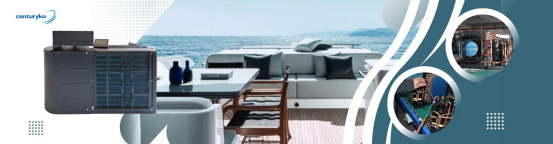
To understand the capabilities of modern variable frequency climate control, professionals must examine the specifications of industry-leading equipment. An excellent example of this technological achievement is the 16,000 BTU 220V AC variable frequency cooling and heating unit. Engineered specifically for harsh maritime environments, this advanced system embodies the pinnacle of variable speed performance. It is designed around an intelligent frequency conversion control system that continuously optimizes the compressor’s output, achieving maximum energy savings without compromising cooling capacity.
Beyond advanced internal electronics, the physical construction of this unit is built to survive extreme conditions. It features premium titanium alloy conduits and full copper condensate tubes to withstand the highly corrosive nature of raw seawater. The system is further fortified with an IPX4 waterproof rating, an electrophoresis anti-corrosion fan, and a heavy-duty 304 stainless steel water tray. To guarantee precise thermal regulation, the unit is equipped with five independent temperature sensors, an electronic expansion valve, and high-low pressure switches for complete system protection. Operating at an ultra-low noise level of 42 to 55 decibels, it provides incredibly quiet climate control. Furthermore, the smart control system supports WiFi application management, allowing operators to monitor the environment remotely.
Partner with ZhuoliMarine for Advanced Climate Solutions
Founded in 1997, ZhuoliMarine has grown into a highly respected OEM and ODM manufacturer specializing in cutting-edge marine refrigeration equipment. As a technology-driven enterprise, they are dedicated to the independent research and development of robust, energy-efficient maritime cooling solutions. Their extensive expertise is centered around core technological advancements, including intelligent frequency conversion control, low-temperature heat transfer optimization, and thermal fluoride defrost technology. Operating out of a modern production base in China, ZhuoliMarine seamlessly integrates advanced engineering, intelligent automation, and rigorous quality control into every unit they produce.
Their professional engineering team focuses on delivering customized, high-performance cooling systems that meet the strict requirements of large commercial ships and personal yachts. By prioritizing durability and efficiency, ZhuoliMarine has earned the deep trust of marine professionals across global markets. If your commercial shipbuilding or refitting operations demand reliable, energy-saving, and ultra-quiet climate control technology, it is time to source from an industry leader. Contact ZhuoliMarine today to discover their premium range of customizable OEM and ODM solutions, and allow their dedicated technical experts to provide the perfect variable speed cooling system tailored to your vessel’s specifications.
