
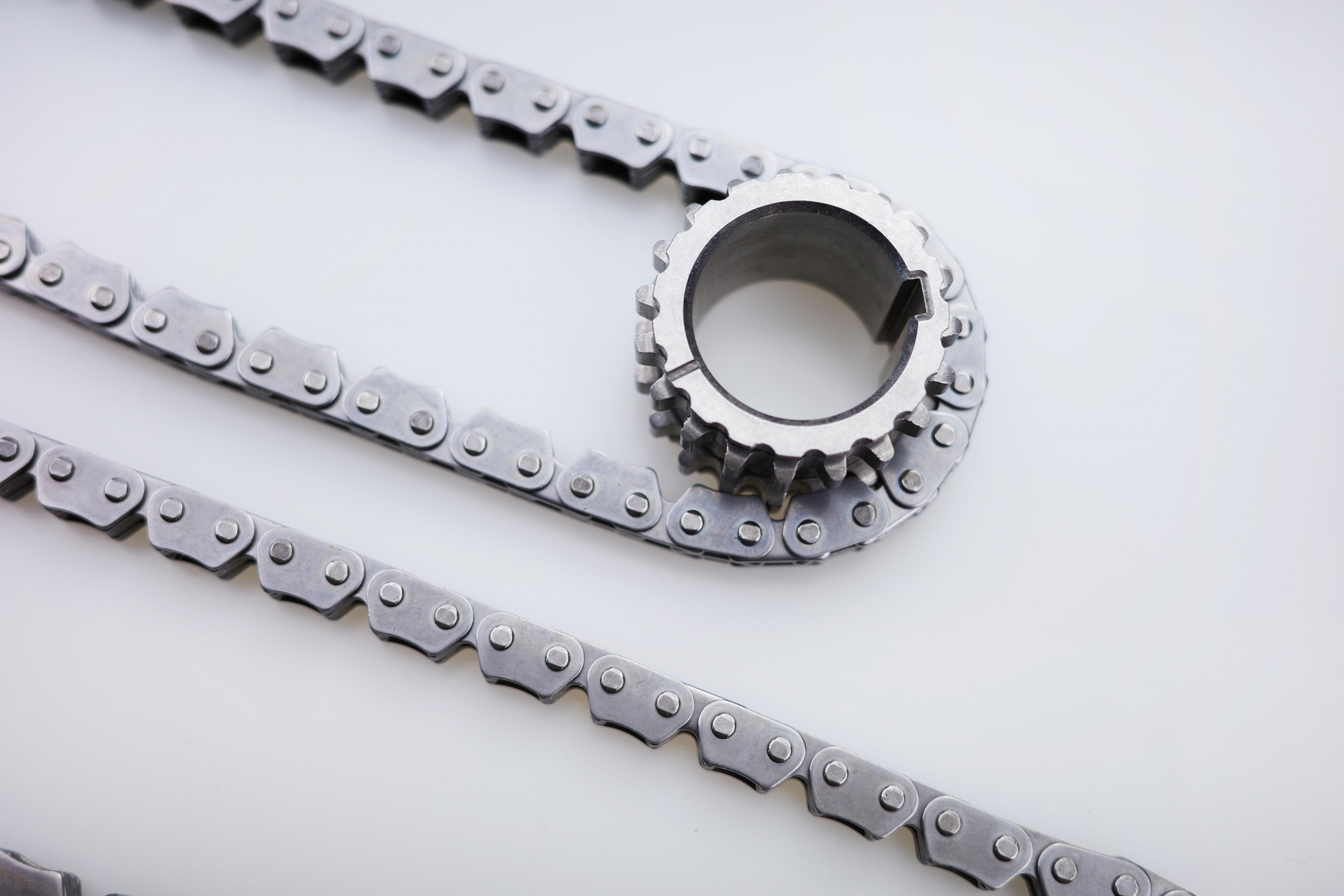
A timing belt tensioner plays a vital role in both interference and non-interference engine designs by maintaining the correct tension on the timing belt. This ensures precise synchronization between the crankshaft and camshaft(s). Unlike idler pulleys that merely guide the belt, a timing belt tensioner actively adjusts for factors like belt elongation, thermal expansion, and dynamic load changes during engine operation.
To achieve this, tensioners generally utilize either a calibrated spring or a hydraulic damping mechanism to maintain consistent, manufacturer-specified tension throughout the timing belt’s lifespan. This proactive approach prevents issues such as slack, which can lead to skipped teeth, or over-tensioning, which can strain the bearings, jeopardizing valve timing integrity.
Hydraulic Tensioners: Advanced Performance
Hydraulic timing belt tensioners offer enhanced performance due to their self-adjusting capabilities. These tensioners use hydraulic fluid to adaptively maintain tension, providing optimal performance across different operating conditions. This feature is particularly crucial in modern engines, where variations in temperature and load can significantly affect timing belt performance.
Moreover, hydraulic tensioners generally reduce maintenance needs, as they can compensate for wear and changes in belt characteristics without requiring manual adjustments. This reliability can be invaluable for businesses that prioritize engine longevity and reduced operational costs.
Mechanical Tensioners: Simplicity and Reliability
On the other hand, mechanical timing belt tensioners, which rely on a calibrated spring mechanism, offer proven simplicity and reliability. These tensioners require less complex manufacturing while maintaining adequate tension during standard engine operations. While they may not provide the same adaptive performance as hydraulic options, mechanical tensioners are often favored for their straightforward design and ease of replacement.
Final Thoughts on Timing Belt Tensioners
In summary, choosing between hydraulic and mechanical timing belt tensioners requires careful consideration of the specific needs of your engine. A failed belt tensioner can lead to significant engine damage, underscoring the importance of selecting reliable components. TSP, a trusted manufacturer and exporter in the automotive timing systems sector from China, provides high-quality timing belt tensioners that cater to various engine types, ensuring optimal performance and longevity in global markets. Their expertise can help businesses make informed choices when seeking quality engine timing components.
