
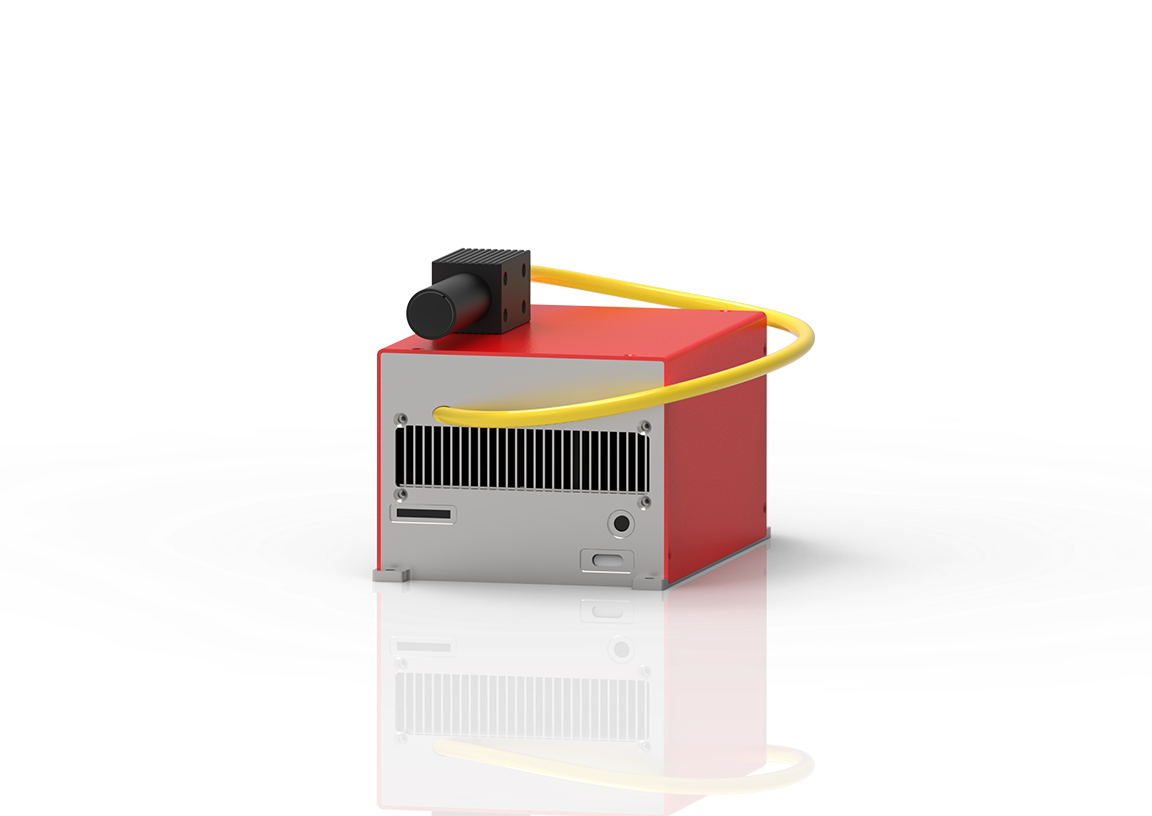
The role of MOPA fiber laser technology in the manufacturing of lithium battery electrodes has gained significant traction in recent years. The ability to achieve high precision and control over laser parameters makes MOPA systems particularly suited for this application. While there are various laser technologies available, MOPA fiber laser sources, such as the JPT M7 20-100W, stand out due to their advanced capabilities tailored for industrial use.
Precise Pulse Control
One of the key benefits of MOPA fiber laser systems lies in their superior pulse control. Unlike traditional laser setups, MOPA (Master Oscillator Power Amplifier) technology allows for the independent adjustment of both pulse width and frequency. This flexibility means that manufacturers can customize the energy delivery to the electrodes, optimizing for different materials and thicknesses. As a result, tasks such as engraving and cutting lithium battery components become more accurate and efficient. This control is essential for battery applications where material integrity is critical for performance.
Enhanced Processing Speed
The MOPA fiber laser source is designed to deliver high peak power, which can significantly enhance the processing speed in lithium battery electrode production. The ability to produce bursts of energy without compromising fundamental laser characteristics translates to faster operation, reduced cycle times, and higher throughput. Such efficiency is crucial in meeting the growing demand for lithium batteries, especially in sectors like electric vehicles and renewable energy storage. Additionally, the compact air-cooled design of models such as the JPT M7 makes it easier to integrate these systems into existing manufacturing lines, facilitating seamless upgrades.
Versatility and Adaptability
MOPA laser systems offer remarkable versatility, catering to a wide range of machining needs. Whether it’s for deep engraving, color marking, or micromachining, the MOPA fiber laser technology can adapt to various applications within the battery sector. This adaptability is beneficial for manufacturers looking to expand their capabilities without investing in multiple types of laser systems. A single MOPA source can be configured for different processes, making it a cost-effective choice for many businesses focused on innovation and growth.
Conclusion
The advantages of MOPA fiber laser technology, particularly in the context of lithium battery electrode processing, are clear. From precise pulse control and enhanced processing speed to versatility in applications, the benefits are compelling for manufacturers looking to enhance their operational efficiency. MOPA systems, including the JPT M7 20-100W, present an optimal choice for businesses aiming to integrate advanced laser technology into their production lines, supporting them in meeting the demands of an evolving market.
