
Oral care has moved beyond the basic toothbrush and dental floss. Traditional methods remain important because they are familiar, while newer devices add powered cleaning, pressure control, portability, and easier handling. Neither approach makes the other obsolete. Instead, modern oral hygiene products provide more ways to clean areas that brushing alone may miss.
- What Traditional Oral Care Methods Do Well
Traditional oral care usually starts with a manual toothbrush and fluoride toothpaste, followed by dental floss or another interdental cleaner. The American Dental Association recommends brushing twice a day and cleaning between teeth once a day. These habits help remove plaque and food debris, making them a foundation of oral care.
Dental floss is useful because it can be guided closely around individual teeth and along the gumline. For people with tight spaces between teeth, the ADA notes that floss may be appropriate, while other interdental tools can suit different conditions. Technique and consistency matter, so the newest device is not automatically the right fit for every user.
- Why Modern Oral Hygiene Products Are Expanding
Modern oral hygiene products are designed to make daily cleaning more convenient, controlled, or adaptable. Electric toothbrushes can automate brushing movements, while oral irrigators use a stream of water to clean between teeth and around the gumline. Portable designs also make routines easier while traveling or during busy schedules.
A dental water flosser can be useful for people who find string floss difficult to handle. The U.S. National Institute of Dental and Craniofacial Research identifies water flossers as one option for cleaning between teeth. The ADA also recognizes powered interdental cleaners as a category that can remove plaque and help prevent or reduce gingivitis when used as directed.
- Comparing Cleaning Experience and Precision
Traditional floss provides direct mechanical contact with tooth surfaces. Users can control where the floss moves, but technique can take practice. Excessive force may irritate the gums. Reaching back teeth or cleaning around dental appliances can also make manual flossing less convenient for some people.
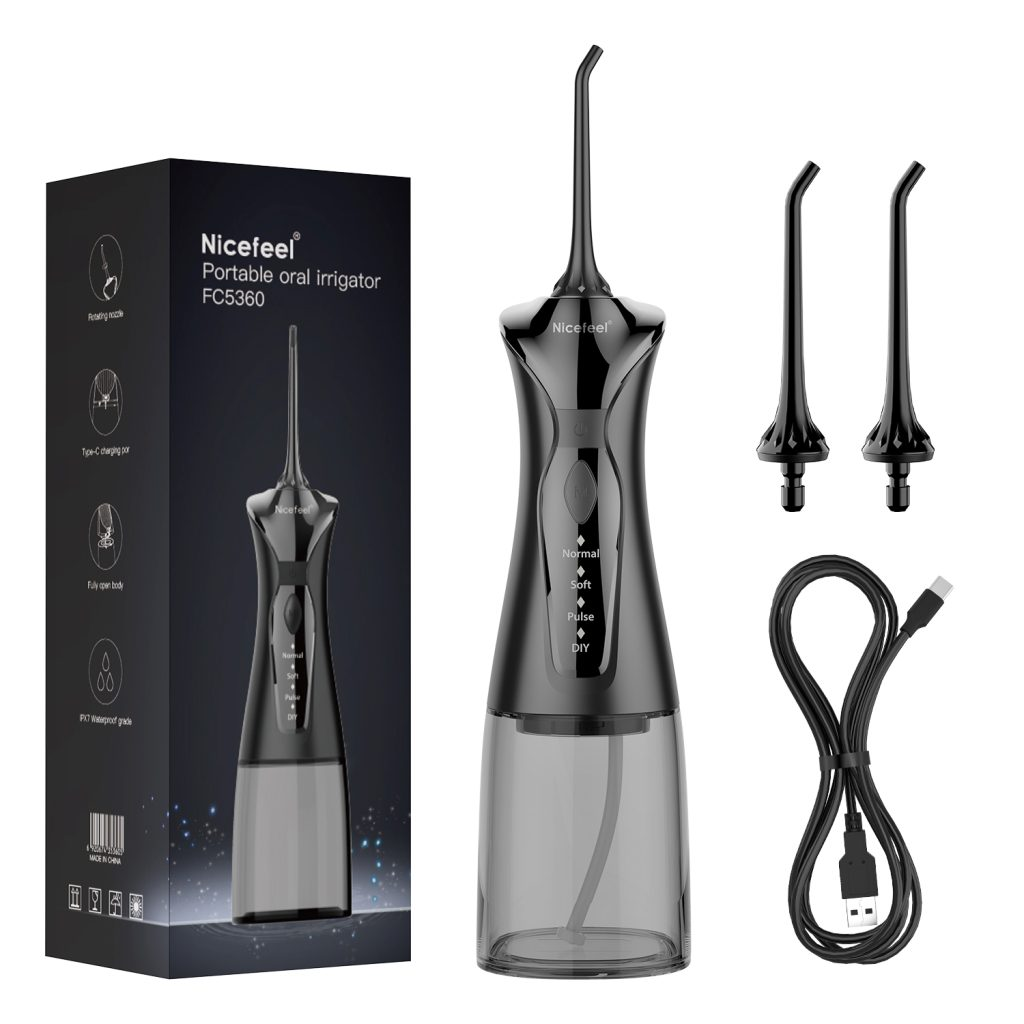
Modern devices provide another approach. A dental water flosser directs pulsating water toward areas between teeth and along the gumline. Some models provide multiple pressure settings, allowing users to adjust the cleaning experience. It does not make floss unnecessary; it gives consumers another interdental method that may be easier to use consistently.
- Consistency Matters More Than Novelty
Better oral care is ultimately about regular habits, not simply owning newer technology. The ADA emphasizes that cleaning between teeth is an essential part of oral care, while NIDCR recommends brushing twice daily with fluoride toothpaste. A traditional routine can remain effective when it is performed thoroughly and consistently.
Modern devices can address practical barriers. Someone who dislikes string floss, has difficulty manipulating it, or prefers a powered routine may be more willing to clean between teeth with an irrigator. Preference, dexterity, dental conditions, and professional advice should guide the choice.
- What B2B Buyers Should Evaluate
For B2B buyers, the comparison should extend beyond the appearance of a finished device. Important considerations include pressure adjustment, water-tank capacity, operating modes, ergonomics, waterproofing, charging design, noise, accessories, and cleaning requirements. These features influence user experience.
Product positioning also matters. A dental water flosser is intended for interdental and gumline cleaning, while a toothbrush performs the primary brushing step. Products should be presented according to documented functions and supported by clear instructions. Accurate communication helps brands explain benefits without overstating claims.
- Flycat’s Modern Oral Care Portfolio
Flycat specializes in oral-care manufacturing and provides OEM/ODM services for global brands. Their official portfolio includes water flossers in handheld, portable, and countertop formats, giving business customers options for different usage scenarios. Their manufacturing process covers design, tooling, production, and quality control.
Their FC5360 smart water flosser is listed with a 300 mL water tank, four working modes, a 20–130 psi impact range, a 1,500 mAh battery, and IPX7 waterproof protection. These specifications show how modern devices can combine portability, adjustable cleaning, and user controls.
- Building Broader Oral Hygiene Products Portfolios
For brands expanding their oral hygiene products portfolio, modern water flossers can complement rather than replace traditional brushes and floss. Flycat states that they develop future-oriented oral irrigators and serve brands, distributors, and healthcare companies across 60 countries and regions. Their manufacturing resources can support businesses adding powered oral-care devices.
Flycat also states that they operate more than 20,000 square meters of manufacturing space, 30 production lines, and a team of more than 40 R&D engineers. Their official information lists ISO 9001 and ISO 13485 certifications. For B2B buyers, these details can help when assessing production capacity, quality systems, and supplier support for new oral hygiene products.
- Choosing a Product Strategy for Today’s Market
The difference between modern and traditional care is mainly about tools, convenience, and user experience. Traditional methods remain essential, while newer devices offer more ways to clean between teeth. Product selection should be based on intended use, documented performance, ease of use, and target-market needs.
Flycat combines established oral-care categories with newer formats, including countertop and portable water flossers. Their OEM/ODM experience can help brands develop product lines around functions, form factors, and market needs. Adding a dental water flosser alongside familiar cleaning methods can create a broader oral-care proposition.
