
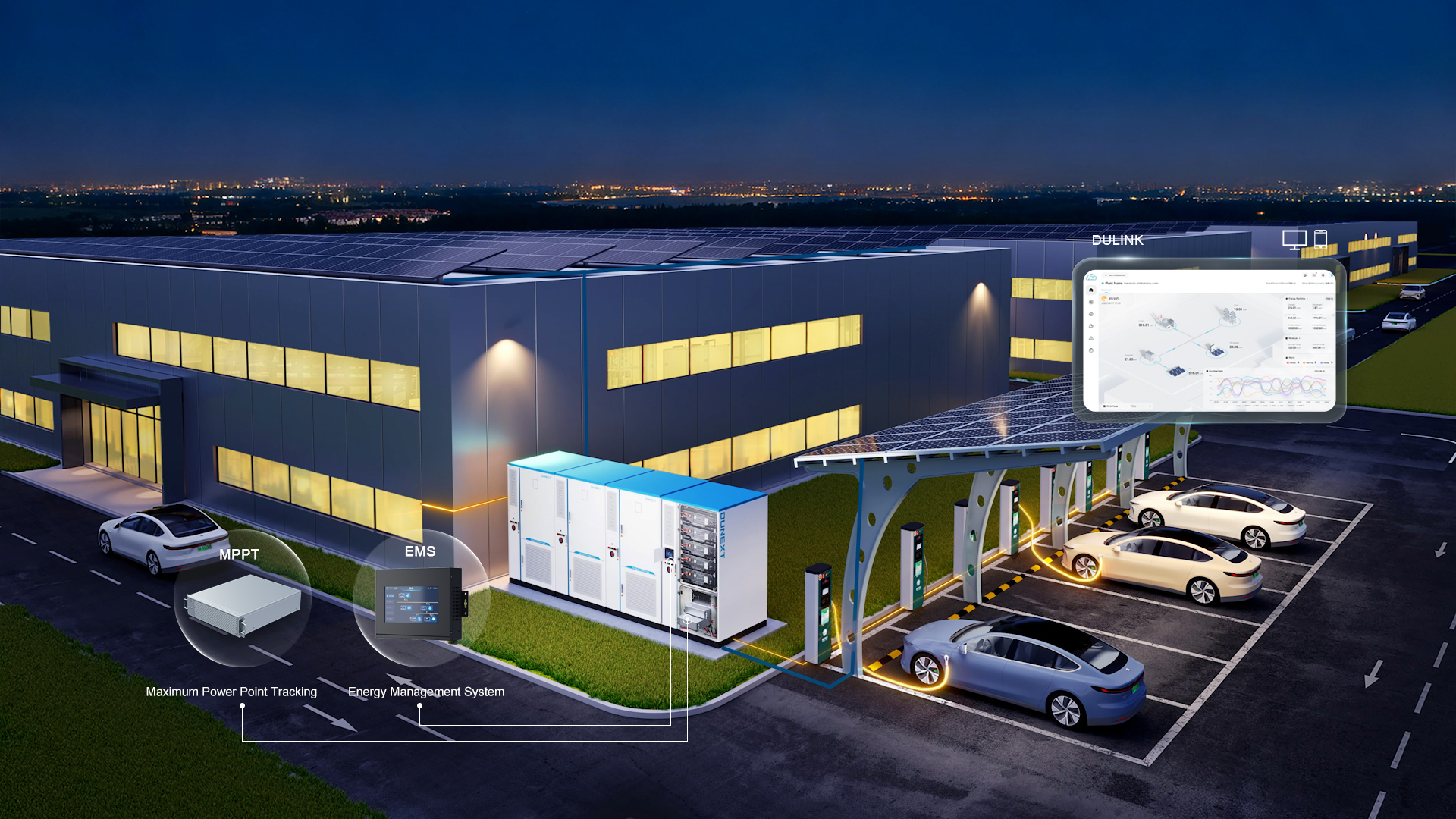
Growing grid volatility and power reliability concerns force commercial facilities to seek resilient infrastructure upgrades. Modern energy storage solutions can buffer variable solar or wind generation and shift stored energy to periods of higher demand. Integrating suitable power conversion equipment can support voltage and power control while helping facilities manage peak demand. Dunext provides BESS configurations designed to support facility operations during applicable grid disturbances.
Rapid operational dispatch allows facilities to manage dynamic tariff structures effectively. Storing excess solar generation during midday hours permits discharging during peak pricing windows. Consequently, operating costs drop without requiring curtailment of critical manufacturing loads.
Thermal Control Engineering in High-Capacity Battery Enclosures
Liquid-cooling circuits maintain uniform internal thermal distributions across dense cell matrices. Preventing localized hot spots directly correlates with extended battery operational lifecycles. Advanced thermal balance mechanisms minimize auxiliary power usage during intense summer charge cycles.
Air-cooling alternatives often experience thermal gradients that degrade perimeter cells faster than central units. Modern ESS technologies rely on targeted fluid distribution channels to keep cell temperature variances within optimal operational limits. Modular cabinets such as the PowerHill 233kWh system optimize coolant flow, supporting sustained high-rate discharge performance.
Electrochemical Cell Selection and Structural Safety Design
Lithium Iron Phosphate (LFP) chemistry is widely used in commercial battery energy storage systems. High chemical stability combined with high thermal runaway thresholds protects operational assets. Structurally reinforced enclosures shield internal modules from external physical impacts and seismic activity.
Modern multi-tier safety frameworks incorporate localized gas detection, automated isolation valves, and aerosol fire suppression. Gas detection can provide an early warning that allows integrated control systems to initiate appropriate protective actions. Sub-system containment minimizes facility disruption and preserves unaffected battery strings.
Advanced Software Architecture and Power Management Logistics
Intelligent Energy Management Systems calculate state-of-charge parameters and manage dynamic phase balancing in real time. Cloud telemetry streams operational data to central dashboards, enabling remote system diagnostics. Algorithmic dispatch rules dynamically adjust charging behavior according to real-time wholesale energy price signals. Hardware developers such as Dunext integrate software analytics into physical enclosures to streamline system integration.
Modern ESS technologies combine localized controls with cloud analytics to maximize asset lifetime value. Battery management controls can monitor cell voltage differences and support cell balancing to maintain more consistent battery operation. Predictive maintenance protocols flag anomalous resistance spikes prior to component failure.
This layered software architecture not only enhances real-time responsiveness but also enables over-the-air updates and configuration updates for dispatch‑logic tuning and fault‑detection‑parameter adjustment (per EMS user manual). As a result, system performance improves over time without requiring hardware replacements—reducing lifecycle costs while keeping the asset aligned with evolving grid conditions and market signals.
Frequency Regulation and Microgrid Islanding Capabilities
Industrial facilities requiring uninterrupted power rely on rapid switchover capabilities to survive utility outages. Sub-20-millisecond on/off-grid switching can help maintain power continuity for suitable critical loads during grid interruption. Islanding functions allow localized renewable microgrids to operate independently from main distribution networks.
Participating in ancillary service markets allows utility-scale system operators to monetize rapid response capabilities. Providing rapid frequency response can help support grid frequency stability while creating potential value in applicable ancillary-service markets. Fast-responding battery systems can provide reserve services in markets where their technical characteristics and operating requirements are eligible.
Environmental Adaptation Standards for Outdoor Storage Units
Deploying energy assets in harsh climates necessitates high ingress protection ratings and anti-corrosion exterior coatings. Sealed electrical compartments block dust ingress and moisture condensation, protecting sensitive inverter electronics. Comprehensive weatherproofing extends system operational life in humid coastal environments and arid regions alike.
Containerized systems such as the PowerMount 5MWh platform provide an enclosed architecture for utility-scale energy storage applications. Integrated thermal management helps regulate battery operating temperatures across changing environmental conditions. Sturdy enclosure design reduces long-term balance-of-system maintenance costs.
Economic Frameworks and Capacity Retention Strategies
Financial modeling for commercial battery projects hinges on total cost of ownership rather than baseline upfront capital expenditure. Long-term capacity retention directly impacts multi-year revenue projections and debt service capability. Strategic degradation management preserves useful capacity across thousands of charge-discharge cycles.
Integrating flexible energy storage solutions allows site operators to stack multiple value streams seamlessly. Facilities simultaneously execute peak shaving, demand charge management, and backup power supply. Diversified revenue streams can strengthen project economics and may support the financial case for a commercial developer.
By aligning degradation curves with warranty structures and operational duty cycles, project financiers can more accurately forecast internal rates of return. This approach allows developers to evaluate battery performance as a financial metric and assess system sizing and replacement schedules against defined economic thresholds.
Long-Term Value Creation in Commercial Energy Infrastructure
Evaluating utility-scale hardware requires assessing manufacturing precision, software integration capabilities, and field performance metrics. Modern ESS technologies provide the foundational infrastructure required to navigate decarbonization targets. Commercial decision-makers prioritize scalable architectures capable of adapting to shifting regulatory frameworks.
Dynamic energy markets demand versatile hardware and intelligent controls to maintain long-term profitability. Engineering partners like Dunext demonstrate how robust thermal design and comprehensive monitoring platforms support sustainable grid modernization. Capitalizing on modern storage infrastructure builds resilient power management ecosystems worldwide.
